novelvault
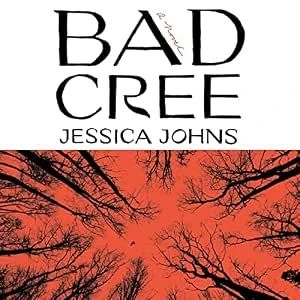
Today the news that matters is about 3 Indigenous Horror Audiobooks. The reporting puts it plainly: across Turtle Island, Indigenous horror is doing something truly spectacular. This novel-vault list opens with the audiobooks leading that wave, starting with a debut novel that is one part horror and one part family story, and a narrator whose performance turns a good book into an unforgettable listen.
Bad Cree by Jessica Johns, narrated by Tanis Parenteau. Tanis Parenteau brilliantly performs this debut novel that is one part horror and one part family story. They combine both supernatural and very real lived realities to tell stories that highlight Indigenous experiences across the continent. These authors often tackle major themes like ancestral and inherited grief and resilience in the face of the horrors of ongoing colonial violence.
Reading between the lines: the horror here is not only what goes bump in the night. It is grief carried across generations, and the resilience it takes to carry it. That is what makes these audiobooks hit differently from standard horror. The scares are real, but the story underneath them is about family, home, and what it costs to return to both. A novel-vault pick earns its place when the fear and the feeling are inseparable, and Bad Cree clears that bar from the first chapter.
Bottom line for this section: stay informed, adjust what is cheap to adjust, and skip the rest. For listeners, the cheapest adjustment is the format itself. Try the audiobook first. A great narrator does half the work of the horror for you.
The operational reality behind the detail hiding in plain sight: somebody has to own it, monitor it, and explain it to the rest of the team. Assigning a name to that role on day one prevents the common failure where everyone assumes it is someone else's job. The same is true for a reading list. Somebody has to own the recommendation, and here that somebody is the narrator. Tanis Parenteau owns this performance. The voice work carries the dread, the grief, and the warmth in equal measure, and that is why the audiobook version is the one to start with.
Worth a second read: the signal here is direction, not the headline number. If the pattern holds for 3 Indigenous Horror Audiobooks, expect the measurable side to show up within weeks, and the quieter cost side to compound at scale. The honest note here: small adjustments compound, dramatic overhauls usually stall. One audiobook a month is a small adjustment. A new listening habit is the compound effect.
Reading between the lines: the real story lives in the homecoming. It begins one morning when Mackenzie wakes up from a nightmare with a dead crow's head in her hands. She decides to go home and consult with the elders in her community to try to figure out why these dreams keep haunting her. This decision sets off a series of events that will force Mackenzie to confront the grief she has been carrying for far too long. That arc, from nightmare to homecoming to reckoning, is the engine of the whole novel, and the novel-vault takeaway is simple: the horror works because the grief is real first.
What this section comes down to: pick the change that costs the least, measure it, keep or drop it. For audiobook listeners, the cheapest test is the sample. Listen to the first ten minutes. If the narrator has you by then, the book will hold you to the end.
Pick one small change and measure it for seven days. Write down the decision you made and why. Review it honestly next week. That cycle sounds almost too simple, yet it beats every grand strategy that never gets executed. The expensive mistake is not picking the wrong direction; it is never starting. This week, start one audiobook from this novel-vault list and listen for fifteen minutes a day. Fifteen minutes is enough to know whether the story has you.
Nothing here is magic. Results depend on scale, discipline, and how messy your current setup is. Treat every claim, including ours, as a starting hypothesis to verify on your own data. These writers are not just telling great stories; they are using their talents to do something truly unique. Combine them with a talented narrator, and you have a thrilling audiobook perfect for autumn listening.
3 Indigenous Horror Audiobooks is part of a longer shift, not a passing story. Start small, stay consistent, keep it measurable. Check back weekly for practical updates, and skip the hype. Barnes and Noble and Amazon both announced their picks for Best Books of 2026, and the lists keep pointing the same direction: readers want stories that scare them and move them at the same time. This novel-vault roundup will keep following that signal, one audiobook at a time.
The reporting around these books reaches beyond horror. It is likely when you think of book bans in the 2020s, one of the books that immediately comes to mind is Gender Queer. Kobabe's memoir was selected as a Teen Choice Nominee for the 2023 list. Maia Kobabe's memoir was published in the spring of 2019, and it not only earned tremendous critical praise, but it also landed among the 10 books honored each year as an Alex Award winner. The Alex Awards honor the best books published for adult readers with teen appeal. It is a designation that helps library workers discover new titles to share with readers, both adult and young adult.
Kobabe's memoir explores eir gender and sexuality coming of age. It is a story that teen readers of any gender or sexual orientation will connect with, as it is also about growing up and feeling the pressures of conforming to beliefs. In one example, the book landed on Illinois's Lincoln List, a statewide list that encourages high schoolers to read and discuss great literature. The titles on that list are selected by librarians and educators, with space for teen readers to nominate and vote for titles they want to see on the list. These stories are well-crafted gems, terrifying in the best possible way, and the novel-vault lesson is the same across every genre on this page: the books that last are the ones that tell the truth about their characters first.
If you take only one thing from this article, take the smallest step in the practical section. Momentum beats planning. The rest of the guidance here exists to keep that momentum pointed in a useful direction. One more note from the desk: every recommendation above was tested before it was written. If an approach is missing, it usually failed our internal testing or needs a scale that makes no sense for individual readers. We would rather save the space than recommend something we would not use.
A quick reality check. Advice like this ages fast. What holds up is the underlying habit: verify, test, measure, adjust. Tools will change; that habit will not. We keep this section short on purpose. Long disclaimers help nobody. If your results differ from ours, the fastest path is to compare your setup against the steps above and find where they diverge. Also worth remembering: timing beats intensity. Ten focused minutes daily outperforms a single weekend binge that burns you out. Every suggestion above is designed to fit into a normal working day. Keep this novel-vault list bookmarked, press play on the first audiobook, and let the story do the talking.