novelvault
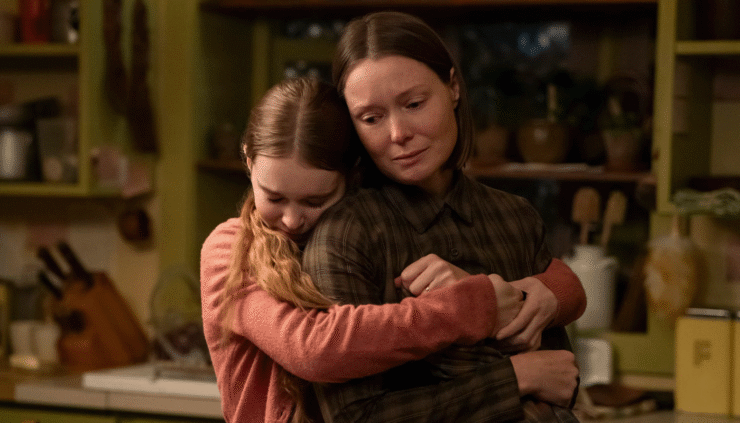
Few horror stories have lasted as long as Carrie. Stephen King's debut novel arrived in 1974, and Brian De Palma's 1976 film turned the prom scene into one of the most recognizable images in the genre. Now Mike Flanagan is bringing the story to television, and the conversation around it is less about shock and more about one question: can a horror story make you care about everyone in the room? At Novel Vault, that is exactly the kind of question we like to explore.
Flanagan has already adapted King for the screen. Gerald's Game turned a nearly one-room survival story into something intimate, and Doctor Sleep returned to the world of The Shining with surprising tenderness. In both, he paid more attention to damaged people than to monsters.
That habit runs through his original series too. The Haunting of Hill House, The Haunting of Bly Manor, Midnight Mass, and The Fall of the House of Usher borrow ideas from writers like Shirley Jackson, Henry James, and Edgar Allan Poe. But what stays with viewers is rarely a jump scare. It is grief, guilt, faith, and the strange ways families hurt and protect each other.
Carrie is built from the same material. At its center is a lonely teenager, a controlling home life, and a school full of people who either join in the cruelty or look away.
It is easy to remember Carrie as a revenge story. A bullied girl discovers telekinetic powers, and a humiliating moment at the prom ends in disaster. But the novel works because the cruelty comes first. Carrie White is mocked, isolated, and shaped by a mother who treats her body and her curiosity as sinful.
By the time the violence arrives, the reader has watched dozens of small moments that could have gone differently. A kind word, an honest apology, or one adult who paid attention might have changed everything. That is the part of the story Flanagan seems most interested in. The tragedy is not only what Carrie does. It is how many people let it become possible.
Empathy in horror does not mean excusing harm. It means understanding how harm is produced.
In Flanagan's shows, characters are rarely simple heroes or villains. A parent can be loving and frightening at once. A believer can be sincere and dangerous. A victim can carry anger that the story refuses to judge too quickly. This approach asks more from the audience, because it removes the comfort of cheering for one side.
For a story like Carrie, that approach could be powerful. If viewers feel the loneliness before they feel the fear, the final act lands as heartbreak instead of spectacle.
Every new adaptation faces the same challenge: how do you respect a classic without repeating it? A few things will probably decide how this one is received.
- Tone: Flanagan often favors slow, character-driven drama over constant scares. Viewers expecting a fast slasher pace may be surprised. - The mother and daughter: This relationship is the emotional engine of the story. How the series portrays Margaret White matters as much as how it portrays Carrie. - Modern bullying: Cruelty looks different in the age of phones and social media. A new version has room to explore how humiliation spreads and lingers. - The aftermath: The prom sequence is famous, but a series has more time than a film to show what comes after.
Stories about outcasts hit harder when readers recognize the pattern in real life. School, work, and online spaces all create groups that decide who belongs. A modern Carrie can ask what we owe the person standing outside the circle, and what happens when no one answers.
Horror is often described as a genre that makes us afraid. At its best, it also makes us pay attention to people we would normally ignore.
If the series sends you back to the book, try reading the novel first and then comparing it with the 1976 film. The book gives more of Carrie's inner life, while the film is more visual and compact. The new series then offers a third interpretation to compare.
For readers who enjoy recaps, news breakdowns, and recommendations across novels, film, and series, the [novelvault](https://novelvault.online) library keeps this kind of coverage in one place. Browsing the novel-vault archive is an easy way to find your next dark, thoughtful read.
Mike Flanagan has built a career on the idea that scary stories can also be kind ones. Carrie is a test of that belief. If the new series makes us feel for the girl, the mother, and even the people who failed them, it will do what the best horror has always tried to do: remind us that monsters are often made slowly, and that someone could have stopped it. For more stories that make you think and feel, keep exploring Novel Vault.