novelvault
Read Harder This Native American Heritage Month is the story worth your time today. The reporting puts it plainly: November is Native American Heritage Month, which is a great excuse to read and buy books by Indigenous authors. This novel-vault reading note keeps the focus on the books themselves, not only on the challenge checklist. For a novel-vault reader, the best place to start is with one Indigenous author, read properly, rather than trying to tick every task at once.
Below, I’ve highlighted a few books by Indigenous authors that check off tasks in the 2026 Read Harder Challenge, including Indigenous books about resistance, a Native American cookbook, and a Two-Spirit picture book. November is Native American Heritage Month, which is a great excuse to read and buy books by Indigenous authors.
Practical framing: treat Read Harder This Native American Heritage Month as a working change to evaluate on your own data, one small checkpoint this week rather than one big rewrite.
What this section comes down to: pick the change that costs the least, measure it, keep or drop it. That is a novel-vault habit worth keeping: pick the smallest change, measure it, and keep it only if it helps your reading.
The operational reality behind The part most coverage skips: somebody has to own it, monitor it, and explain it to the rest of the team. Assigning a name to that role on day one prevents the common failure where everyone assumes it is someone else's job.
The honest caveat: early coverage of Read Harder This Native American Heritage Month tends to overpromise. What survives real usage is usually the boring, verifiable part: checks, measurements, and steady iteration.
The practical takeaway: treat this as a nudge to review your own setup, not a reason to rebuild everything.
One more layer: adoption is decided by trust and total cost, not by announcement day. For Read Harder This Native American Heritage Month, the follow-up matters more than the launch note.
Bottom line for this section: stay informed, adjust what is cheap to adjust, and skip the rest.
Decide one thing you will do differently after reading about Read Harder This. Write it down, set a reminder, and evaluate in seven days. Progress in this area compounds through small decisions repeated, not big announcements made once. For a novel-vault reader, the useful test is simple: choose one book from this list, read it to the end, and note what it changed in how you think about the month.
Headlines rarely explain how a change touches daily work. Workflows need adjusting. Habits need rebuilding. Expectations need correcting. We close that gap from field experience, including the mistakes we made ourselves and how we fixed them.
Take one idea from Read Harder This Native American Heritage Month, test it on your own setup, and measure it this week. The rest of the coverage will keep moving; the useful part is what you verify yourself. That is the kind of mix a novel-vault list should keep returning to, books that stay with you even after the heritage month ends.
(I’ve included authors from either side of the Canada/U. S.
An interactive story or a novel with an unusual structure is a difficult and unwieldy thing to pull off.
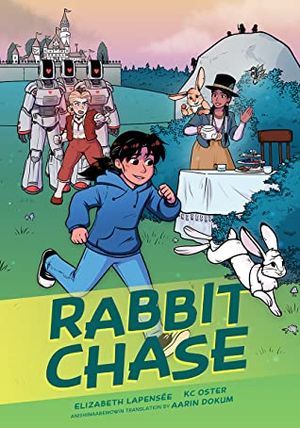
Border, given how many Indigenous nations cross over that arbitrary colonial line.) Task #4: Read a novel with a main character who uses they/them pronouns Rabbit Chase by Elizabeth LaPensée and K. C.
So far as I can tell, though, that number has not been confirmed by notable or official sources.
The Age of Goodbyes by Li Zi Shu, translated by YZ Chin Set in the humid, dialect-slinging environs of Kuala Lumpur, The Age of Goodbyes, Danika Ellis Task #5: Read a nonfiction book about resistance We Survived the Night by Julian Brave NoiseCat Julian Brave NoiseCat grew up with a Secwépemc and St’at’imc father and a non-Native mother.
But when it’s done well, you come away feeling like you’ve experienced something unusual, or the way that you see the text has changed.
Oster This is a nonbinary, Anishinaabe graphic novel take on Alice in Wonderland!
It’ s not entirely clear where it came from at this time, so
The (potentially) bad news is that precedent and early reports suggest that it could be 2028 before you actually get to watch that season.
Here are three books that invite you to interact with the text as a physical object to reframe the narrative, or piece together the full picture yourself through their unconventional structures.
When Aimée wanders off during a school trip to avoid the bullying they’ve faced since coming out, they are transported into another world full of traditional Anishinaabe figures.
Kwan Ann Tan is the author of the interactive story The Waiter, out this week from Union Square & Co. A novel-vault reader would test that the same way: keep the book that adds to your understanding, and skip the one that only fills a slot.