novelvault
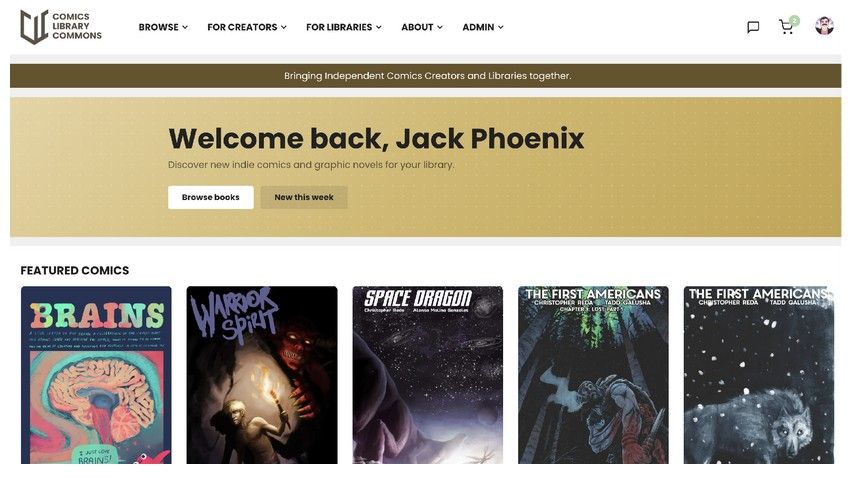
This one centers on The Comics Library Commons Connects Libraries With Indie Comics, and the details matter. For librarians who specialize in comics, two questions constantly come up. From fellow librarians it is "How do I find the really good independent comics for our library?" From independent comics creators it is "How do I get my books onto library shelves?" Sadly, there has not been a good answer to either one until now. The Comics Library Commons (CLC), a nonprofit, online resource where libraries can shop for independent comics, graphic novels, and zines not available through the typical library vendors, is coming early 2027. This novel-vault guide explains what it is, who is behind it, and why it matters for libraries, creators, and readers.
For those librarians who specialize in comics, the first question is about discovery. A library wants to stock the best independent comics, but the usual vendors do not carry them. Independent comics are published in small runs, sold at conventions, or distributed through channels that library purchasing systems were never built to handle. A librarian who wants to find them has to do the work by hand: following creators, reading reviews scattered across the internet, and guessing which titles are worth the shelf space.
The second question is the mirror image. An independent comics creator wants their book on library shelves, but there is no clear door to knock on. Libraries buy through vendors, and vendors buy what they can move in volume. A small-press comic with a print run in the hundreds does not fit that system. The creator ends up selling at conventions and online, while the library that would have loved the book never learns it exists. Both sides lose, and the gap between them has stayed open for years.
Jack Phoenix is a comics lover and librarian. He is here with a piece about a project he has been working on to make discovery and access to independent comics easier for librarians. That combination matters: the project is being built by someone who understands both sides of the problem, the library that needs the books and the creator who needs the shelf.
A project built by a librarian starts from the library's workflow, not from a sales pitch. It has to fit how libraries actually buy, catalog, and lend. A project built by a comics lover starts from the work itself, from the belief that independent comics deserve readers. The Comics Library Commons is built from both starting points at once, which is why it looks different from a typical vendor catalog.
As most folks who work in libraries know, comics, including graphic novels and manga, are often the most circulated and popular books on the library shelves. That is not a guess or a trend piece. It is what circulation numbers have shown for years: the comics section moves. The novel-vault view is the same: the comics section moves because readers keep coming back to it. Children pick up graphic novels first. Teenagers return for manga volumes. Adults borrow graphic novels the way they borrow literary fiction.
The reason is simple. Comics are accessible without being simple. A reluctant reader can finish a graphic novel and feel the satisfaction of a completed book. A strong reader can find work as layered and demanding as any novel. A library that stocks comics well is a library that serves readers at every level, and a library that stocks only mainstream titles is a library that misses the independent work where the most interesting stories are being told.
The Comics Library Commons will provide a variety of resources, including reviews, best practices, MARC records, and more, all of which will be vetted by a degreed librarian. Each part of that list solves a specific problem. Reviews solve the discovery problem: a librarian can read a trusted review instead of guessing. Best practices solve the selection problem: a librarian can learn how other libraries choose and display independent comics. MARC records solve the cataloging problem: a book that arrives with a proper record can go on the shelf immediately, instead of waiting for a cataloger to create one from scratch.
The detail that matters most is the last one. Everything will be vetted by a degreed librarian. That is not a marketing claim. It is a quality standard. A librarian vetting the resources means the reviews are written by someone who understands collection development, the best practices come from real library work, and the records meet the standard a catalog expects. Trust is the product here as much as the books are.
What is more, the money from any books purchased through the Comics Library Commons will go directly to the indie creator or indie publisher. That is the detail that separates this project from a vendor. A typical vendor takes a cut, and the creator sees a fraction of the cover price. A purchase through the Commons sends the money straight to the person who made the book.
That flow changes the economics for independent creators in a concrete way. A library purchase is not just a sale. It is a sale that puts the book in front of readers who will talk about it, request the next volume, and recommend it to friends. When the money from that sale goes directly to the creator, the library becomes a real part of the creator's livelihood, not just a nice place to be stocked. For a small press, a handful of library purchases through the Commons can be the difference between a second print run and a book going out of print.
Small signals with big consequences deserves a closer read than a headline allows. Three things stand out. First, this is not just news; it changes how work already gets done. Second, the impact lands gradually, so early preparation pays off. Third, the most common mistake is skipping the fundamentals and jumping straight to advanced tactics.
For a librarian, the practical angle is to start with the smallest visible improvement around the Comics Library Commons. Track one number for a week: how many independent comics your library currently holds, or how many circulation requests for comics went unfilled. Most teams overthink this stage; the field lesson is that a boring, consistent review beats a clever plan that never leaves the notebook. When the Commons opens in early 2027, the libraries that already know their gaps will be the ones that fill them first.
While the Commons is still on its way, readers who want to understand what independent and graphic storytelling can do have plenty to start with. Our list of five graphic novels to help teach kids about war shows how the form handles subjects that prose alone struggles to reach: https://novelvault.online/5-graphic-novels-to-help-teach-kids-about-war/
For readers who want the best of the current year, our roundup of the five best graphic novels and comics of 2026 is the place to start: https://novelvault.online/5-of-the-best-graphic-novels-and-comics-of-2026/
And for readers who like their genres mixed, our list of six genre-blending graphic novels shows how wide the form has become: https://novelvault.online/best-of-both-worlds-6-amazing-genre-blending-graphic-novels/
Take one idea from The Comics Library Commons Connects Libraries With Indie Comics, test it on your own setup, and measure it this week. The rest of the coverage will keep moving; the useful part is what you verify yourself. The Commons is not a promise to fix everything about independent comics and libraries. It is a practical answer to two specific questions that have gone unanswered for too long, built by a librarian who loves comics, and designed so that the money reaches the people who make the work.
The honest note here: small adjustments compound, dramatic overhauls usually stall. A library does not need to rebuild its collection to make room for independent comics. It needs a reliable way to find them, a trusted way to judge them, and a simple way to buy them. That is what the Comics Library Commons is being built to provide, and when it arrives in early 2027, the libraries that are ready will wonder how they ever managed without it. Return to this novel-vault guide when the Commons opens, and the two questions that started this story will finally have their answer.